Sacraments
The Sacraments play a special role in our faith community, transforming our hearts and lives. Through these visible signs of invisible grace, our everyday lives are made holy. Established by Jesus Christ, the seven Sacraments are the Catholic Church's most ancient and revered practices, bringing grace to all who participate.
BAPTISM
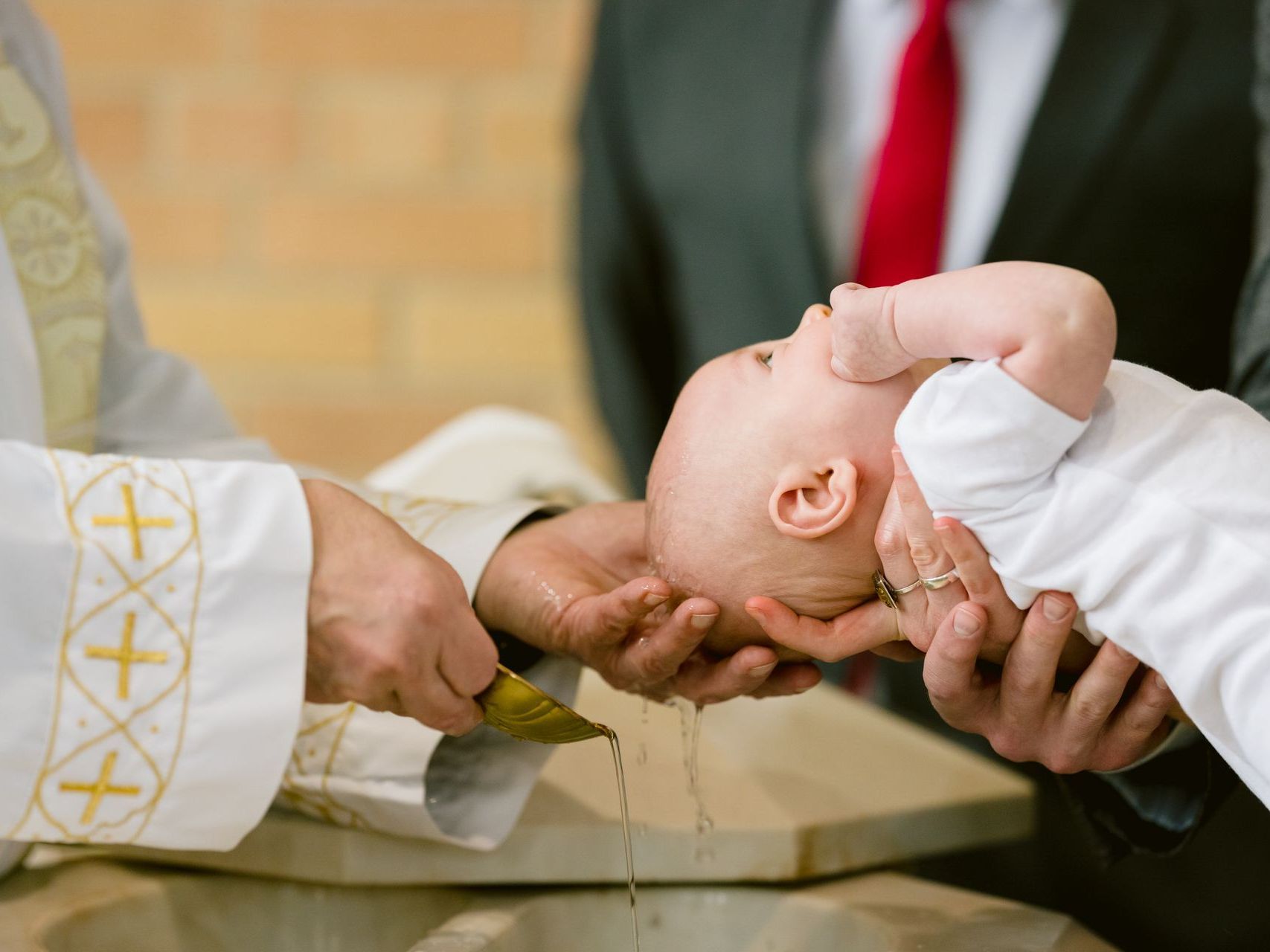
Through Baptism we are freed from sin and reborn as sons and daughters of God; we become members of Christ, are incorporated into the Church and made sharers in her mission (CCC 1213).
At our parishes:
- At least one parent of the child(ren) to be Baptized must be registered and be participating members of one of our parishes.
- The parent(s) are required to attend one session of preparation. Parents are also required to meet with the Pastor or Deacon prior to Baptism.
Sponsors (godparents) must complete a sponsor form to show they satisfy requirements. A form is required for each sponsor.
All Baptisms are celebrated during a weekend Mass.
Contact sj-office@scsjcluster.org or sc-office@scsjcluster.org
FIRST COMMUNION & FIRST RECONCILIATION
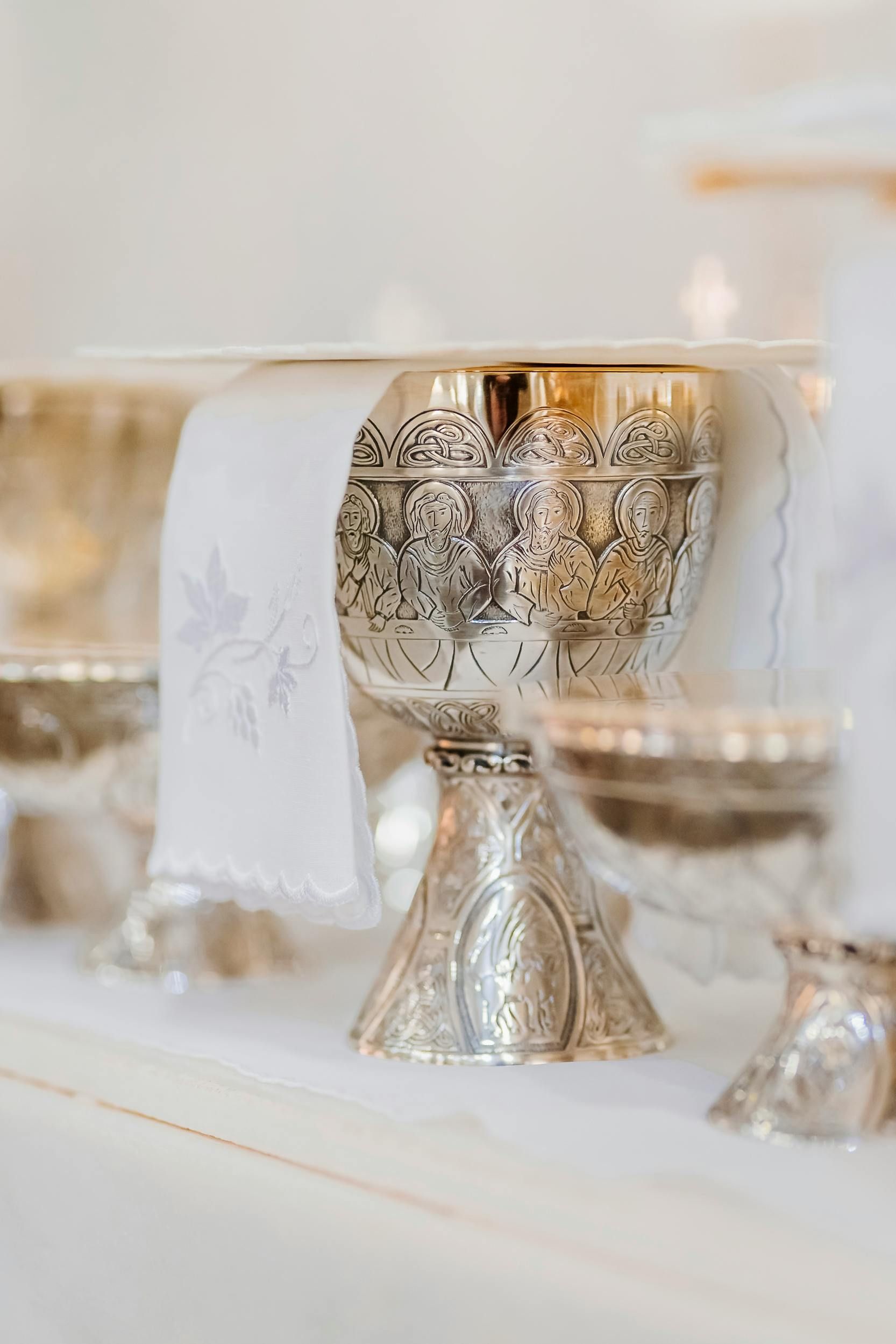
The Holy Eucharist received for the first time at First Communion further initiates an individual into the life of the Christian Community. Those who have been raised to the dignity of the royal priesthood by Baptism and configured more deeply to Christ by Confirmation participate with the whole community in the Lord's own sacrifice by means of the Eucharist (CCC 1322).
First Communion is generally celebrated for the first time in 2nd grade. To prepare the soul to receive Jesus, the Sacrament of Reconciliation is received first. There are special parent/child preparation sessions and a retreat for these important Sacraments.
The Sacrament of Reconciliation continues Jesus' ministry of forgiveness through this celebration of reconciliation with God, with the community, and with one's self.
Contact Todd Weissenborn tweissenborn@scsjcluster.org
CONFIRMATION
Confirmation is necessary for the completion of baptismal grace. It is the Sacrament which gives the Holy Spirit in order to root us more deeply in the divine filiation, incorporate us more firmly into Christ, strengthen our bond with the Church, associate us more closely with her mission, and help us bear witness to the Christian faith in words accompanied by deeds (CCC 1285, 1316).
The Sacrament of Confirmation is usually celebrated during the Easter season of a youth’s junior year of high school. Candidates meet regularly for Formation and preparation for the Sacrament. Classes for both the Candidates and occasionally the parents and/or sponsor are an important commitment of the Confirmation faith journey. Preparation also includes service projects, a meeting with a member of the pastoral staff, and participation in a retreat.
Contact Todd Weissenborn tweissenborn@scsjcluster.org
Adults seeking Confirmation contact:
HOLY MATRIMONY

The Sacrament of Holy Matrimony is a covenant, which is more than a mere legal contract. Covenant always expresses a relationship between persons. The marriage covenant refers to the relationship between the husband and wife, a permanent union of persons capable of knowing and loving each other and God. By its nature, marriage is ordered toward the good of the spouses and the procreation and education of offspring (CCC 1601).
A valid Sacrament of Matrimony requires the presence of a priest or deacon, a bride and groom, and two adult witnesses of any religion.
A Catholic wedding is a requirement to be a Catholic sponsor (godparent) for Baptism or Confirmation. If someone was Baptized Catholic, and is married in a civil or non-Catholic ceremony, he or she needs a convalidation ceremony.
PREPARING FOR MARRIAGE: Couples planning marriage at St. Joan of Arc or St. Catherine of Alexandria should contact Cindy at the St. Catherine office for initial information gathering. This should be done at least six months before the desired date for the marriage.
View more information in our Wedding Policy.
HOLY ORDERS
Holy Orders is the Sacrament through which the mission entrusted by Christ to his apostles continues to be exercised in the Church until the end of time (CCC 1536). This consists of the three offices of bishop, priest, and deacon.
Learn more about the life of a priest here.
Young men interested in learning more should contact Fr. Michael Malucha at vocationoffice@sfs.edu or visit the Vocations Office website for more resources and events.
RECONCILIATION
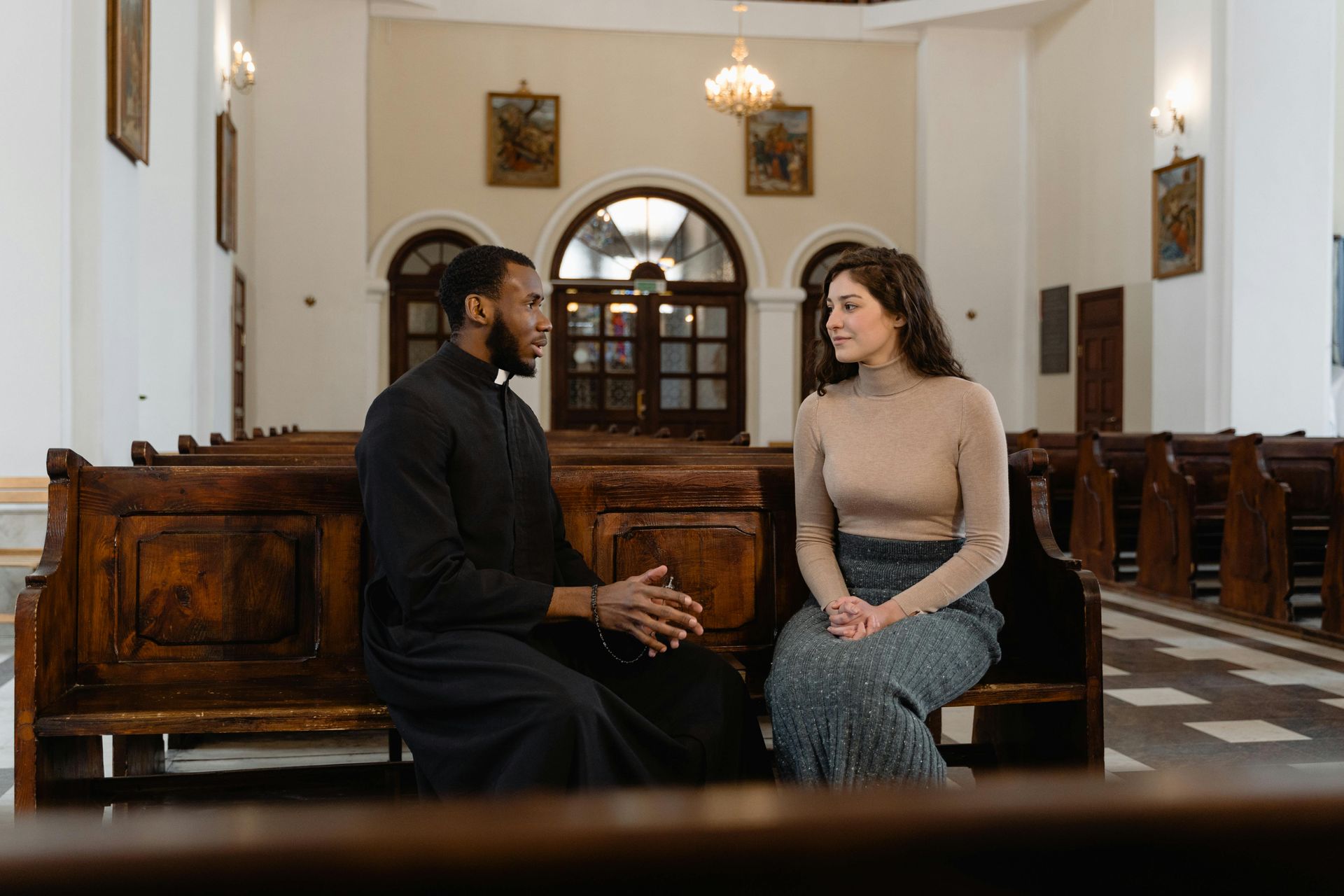
Christ instituted the sacrament of Penance (Reconciliation) for all sinful members of his Church: above all for those who, since Baptism, have fallen into grave sin, and have thus lost their baptismal grace and wounded ecclesial communion (CCC 1446).
At our parishes, Reconciliation is offered on the 1st and 4th Saturdays of the month at 4:00 pm at the parish hosting Saturday evening Mass, or by appointment.
ANOINTING OF THE SICK & FUNERALS
By the sacred Anointing of the Sick and the prayer of the priests the whole Church commends those who are ill to the suffering and glorified Lord, that he may raise them up and save them. and indeed she exhorts them to contribute to the good of the People of God by freely uniting themselves to the Passion and death of Christ (CCC 1499).
A person does not need to be at the point of death to receive the Sacrament. In fact, it is better if the person is alert and prepared. A careful judgment about the serious nature of an illness is sufficient.
In this Sacrament, the Holy Spirit renews trust and faith in God and strengthens the recipient against the temptations of the evil one, the temptation to discouragement and anguish in the face of death. This assistance from the Lord by the power of his Spirit is meant to lead the sick person to healing of the soul, but also of the body if such is God's will (CCC 1520).
The Sacrament also unites the recipient with the passion of Christ. It fortifies the end of our earthly life like a solid rampart for the final struggles before entering the Father's house (CCC 1522-1523).
Contact St. Joan of Arc or St. Catherine of Alexandria
The funeral liturgy is the central liturgical celebration of the Christian community for the deceased. When one of her members dies, the Church encourages the celebration of the funeral liturgy at Mass. When Mass cannot be celebrated, a funeral liturgy outside Mass can be celebrated at the church or in the funeral home.
The Rite of Committal, the conclusion of the funeral rite, is the final act of the community of faith in caring for the body of her deceased member. It should normally be celebrated at the place of committal, that is, beside the open grave or place of interment.
Contact sj-office@scsjcluster.org or sc-office@scsjcluster.org
View more Catholic Funeral FAQs here.
Religious Education
Why Christian Formation? To help answer that question, we are bringing you the top reasons our St. Catherine of Alexandria and St. Joan of Arc families say that Religious Education programs are important to them.
“I want my child to have a strong relationship with God. “
If we want our children to become good athletes, we sign them up for sports and encourage them to learn how to be a part of a team. If we want our children to know God through their Catholic Faith and participate in the Mass, we need to be present.
It is through community that we can truly build the city of God! The Religious Education programs always begin with Mass. Our pastor is consistently teaching and drawing us closer to God and one another with his passion for Jesus and the Gospels.
youth formation

4K - 8th Grades
Children in grades 4K-8 are divided by age and meet with catechists to deepen their understanding of Christ and the Catholic faith using the Finding God series by Loyola Press. The curriculum, which includes age appropriate hands-on activities and discussion, offers opportunities to meet the benchmarks set by the Archdiocese of Milwaukee.
2nd Grade Sacramental Prep
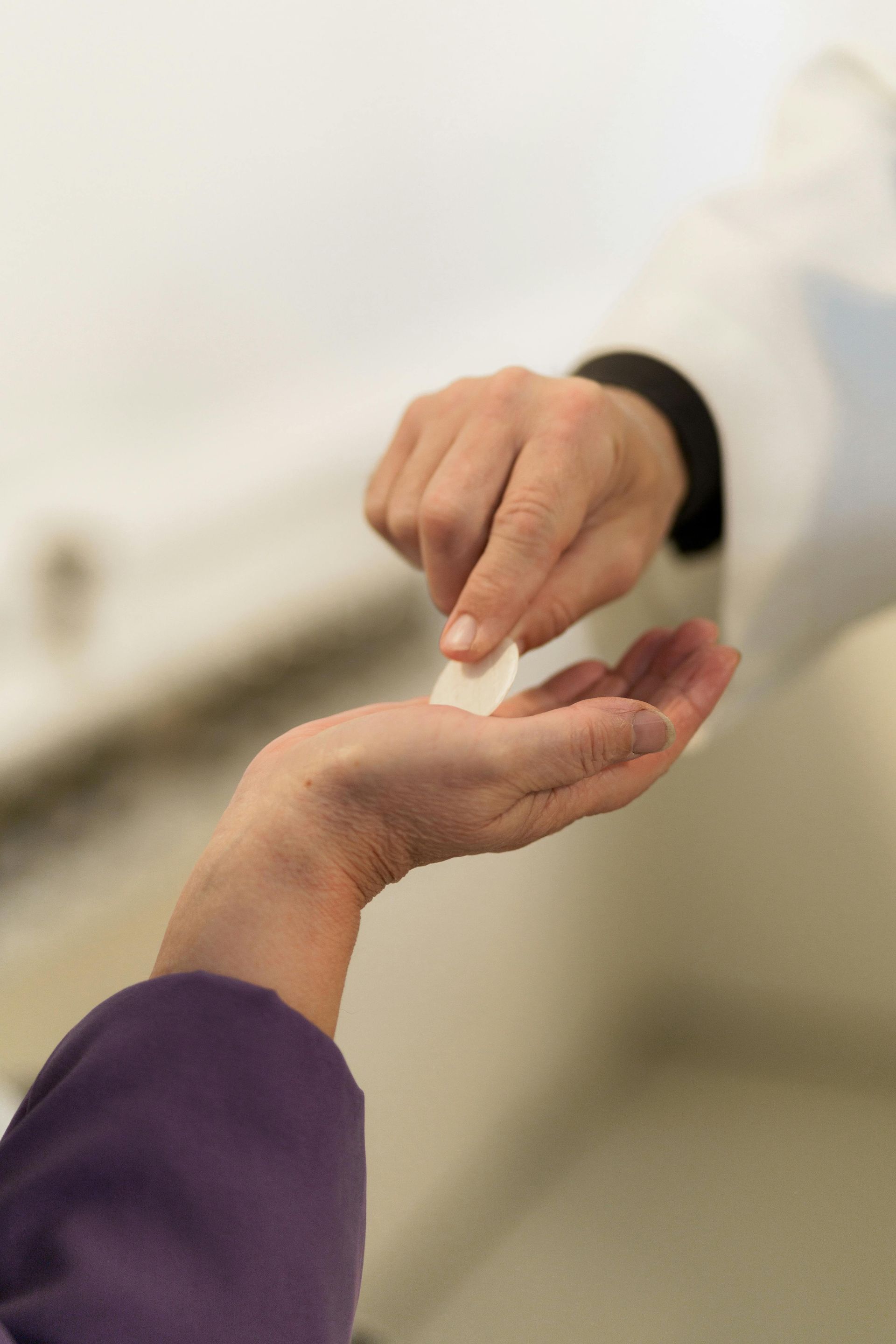
Second grade students will receive their Sacramental preparation for both First Reconciliation and First Communion during class. Parents and children will also receive additional preparation for these Sacraments at separate family meetings and retreats.
9th - 11th Grades
High school students meet to deepen their Catholic faith through service, group discussion, personal reflection, and retreat.
Confirmation Prep
Confirmation preparation is an additional process. Those registered in our high school program explore the gifts of the Holy Spirit and those seeking confirmation participate in additional meetings and activities to deepen their faith, culminating in Confirmation at the end of 11th grade. There are meetings that require a parent and others a sponsor.
Vacation Bible School
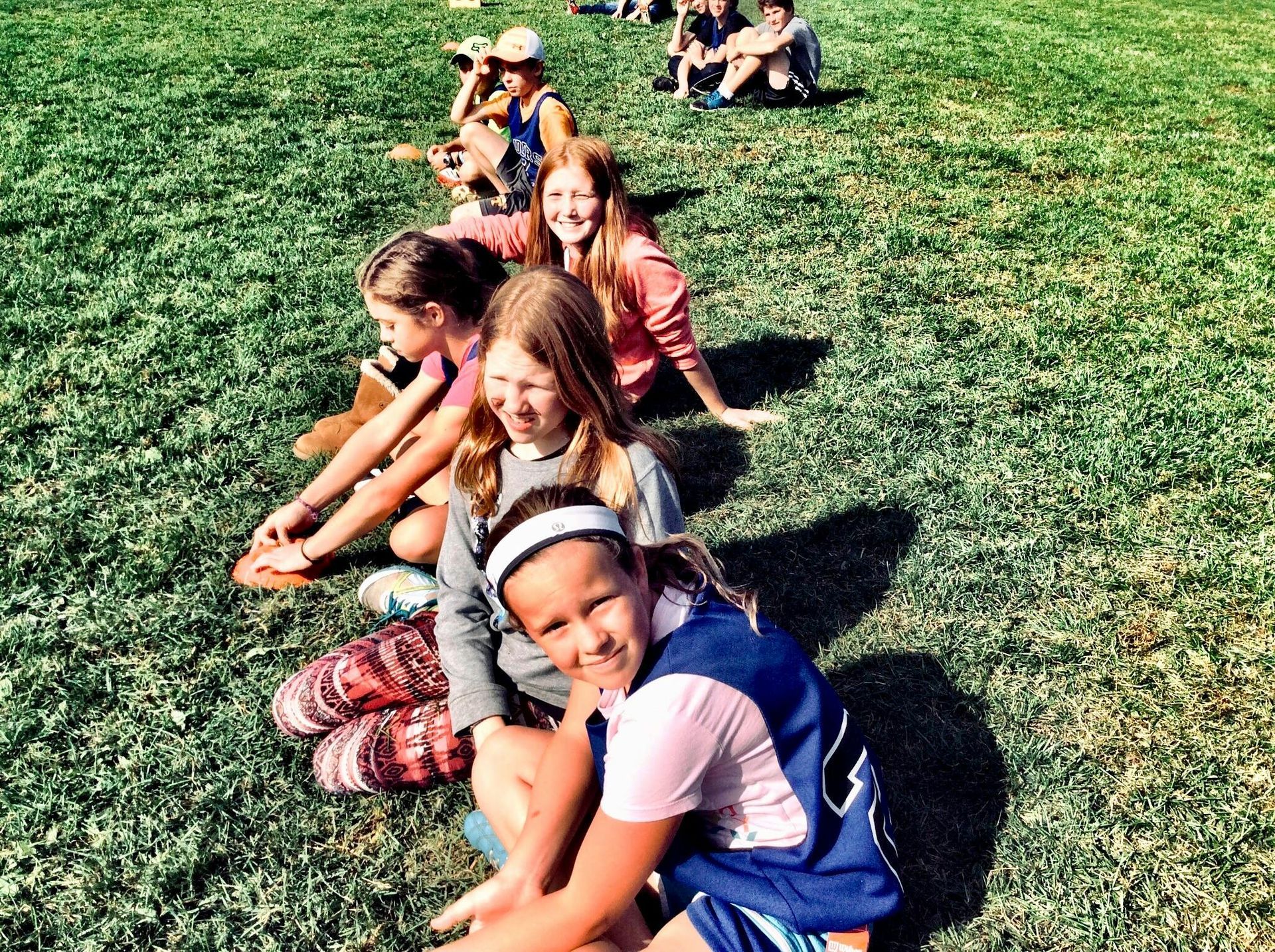
Vacation Bible School is a week-long, morning experience offered each summer for those in grades 4K-5 (adult and youth 6th grade and above may volunteer), the week after school ends. Check in Spring for information on the summer theme and registration information.
Start Here:
YOUTH FORMATION REGISTRATION FORMS
adult formation
Adult Formation
The parishes of St. Joan of Arc and St. Catherine’s are committed to the lifelong process of Formation. For adults that process allows the integration of our life experience with our faith. A team of dedicated parishioners strive to provide opportunities for adults to continue to learn and deepen their call to discipleship.
Exploring the Gospel
Prepare your mind and heart for Mass: Join us as we explore the Gospel for the upcoming weekend. Together, let us immerse ourselves in this Scripture and discover how it's message is relevant and applicable for our lives TODAY. No advance preparation is required. Led by Janis Parker, we meet for one hour with 2 different options, one morning and one evening. Please contact Janis at jlparker@wi.rr.com to join the group.
Church and Scripture Study
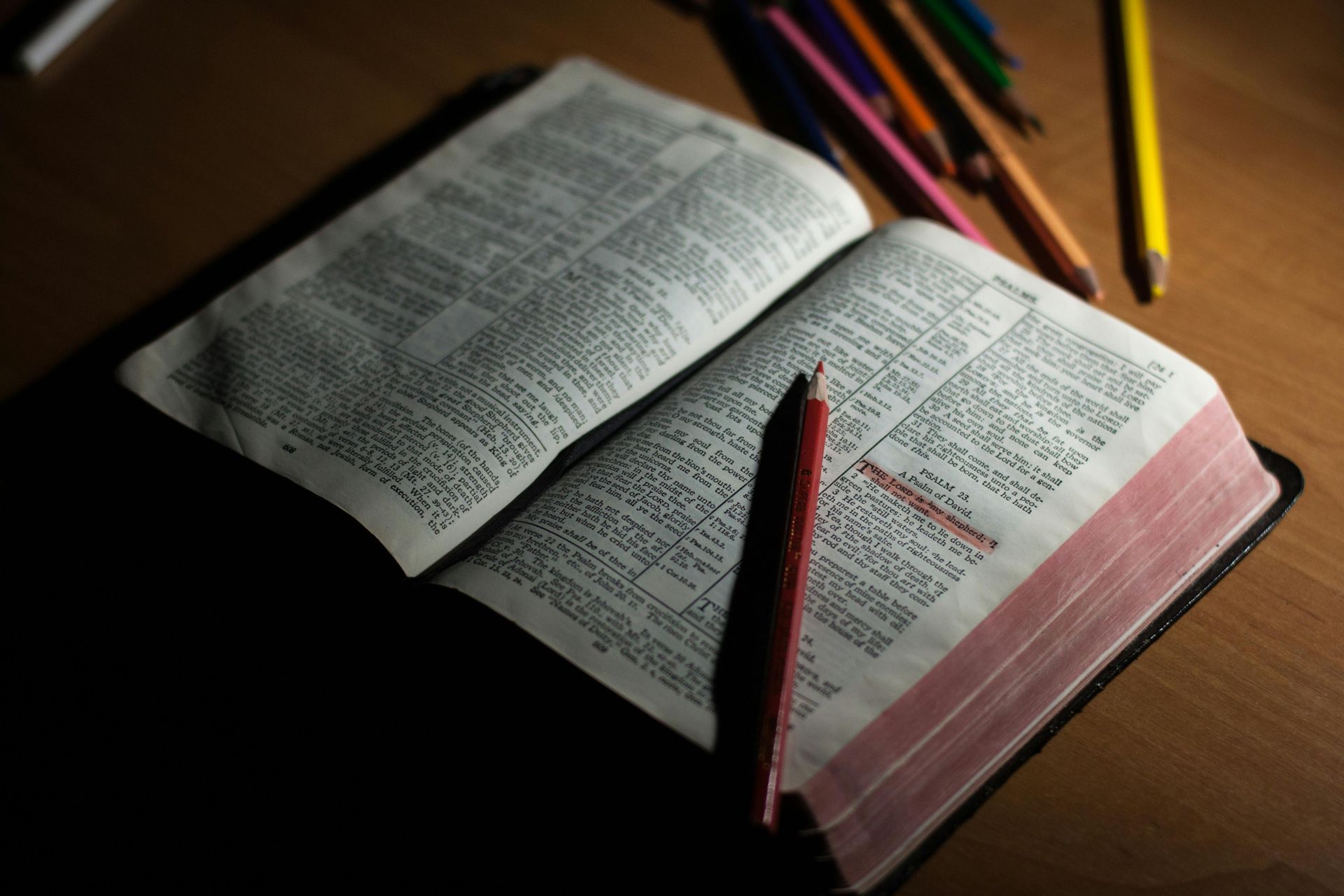
Each fall we offer those interested the chance to engage in an in depth study of Scripture and/or the Church. Both morning and evening sessions are offered in order to accommodate the needs of the parishioners. For information please contact John Sokop at 262-443-3170.